
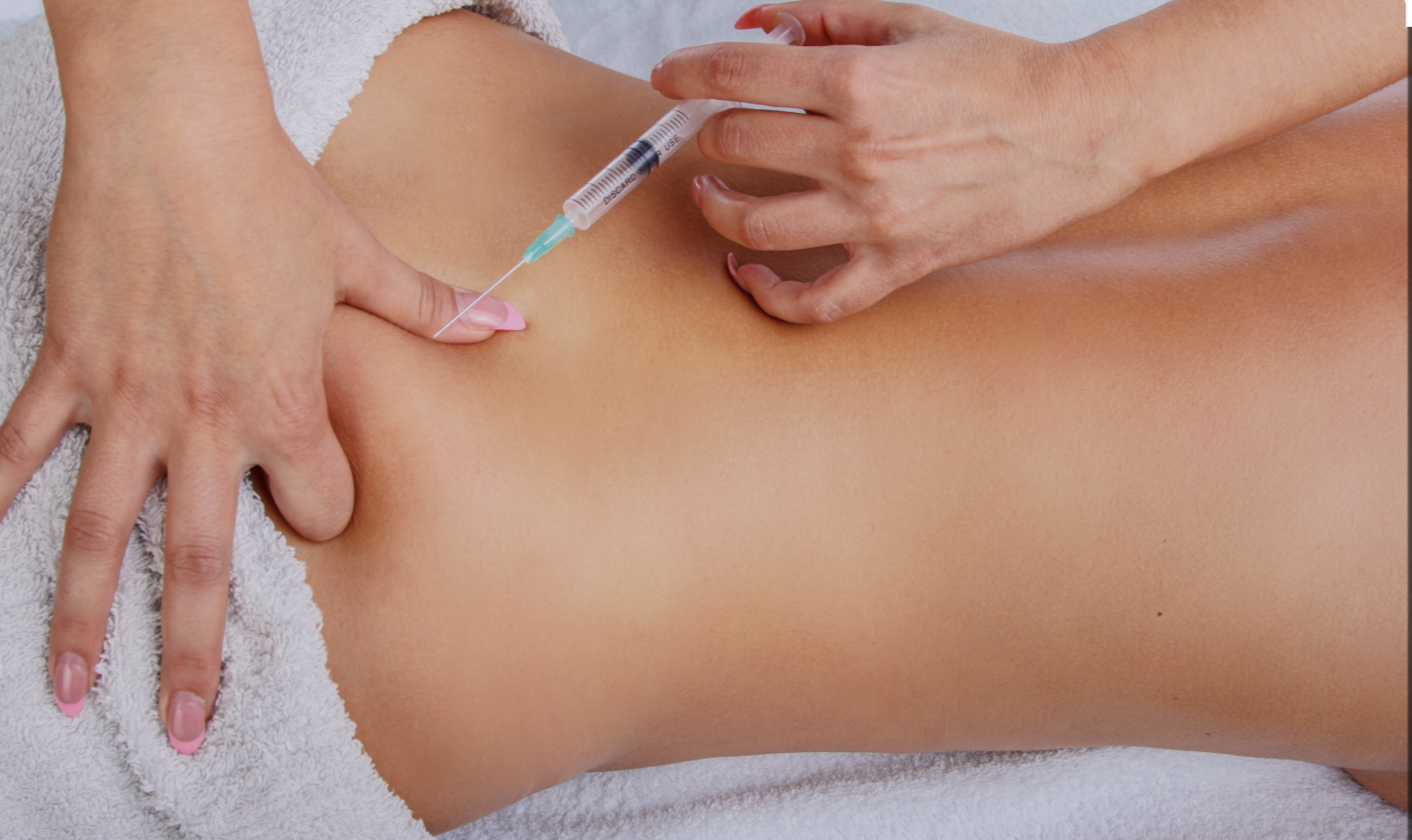
Trigger Point Injections in Long Island, NY
Targeted relief for the muscle knots that just won't let go.
That tight spot in your neck. The knot under your shoulder blade that no amount of stretching fixes. When muscle tension sticks around, it can affect how you sleep, move, and feel every day. Trigger point injections offer a quick, in-office option to help release those knots and get you back to feeling like yourself.
What Is a Trigger Point?
A trigger point is a tight, irritated band of muscle that stays contracted even when you're trying to relax. You can often feel it as a firm knot under the skin. Trigger points can cause pain right where they sit, and they can also send pain to other areas, like a tight upper back that leads to headaches.
Common causes include:
Poor posture and long hours at a desk or on your phone
TMJ
Stress and tension held in the neck and shoulders
Repetitive movements from work, sports, or daily life
Muscle strain or overuse
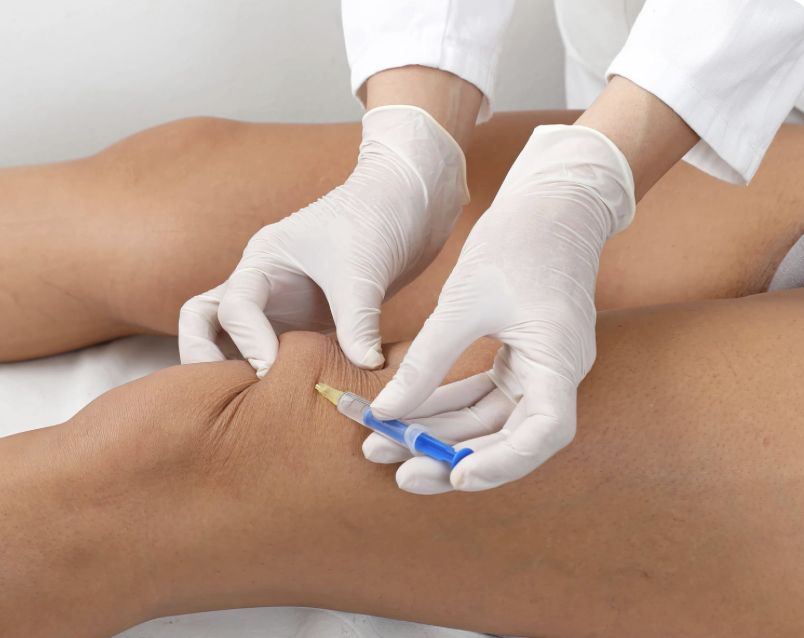
How Trigger Point Injections Work
During a trigger point injection, we use a very fine needle to deliver a small amount of medication directly into the tight muscle. The goal is to help the muscle release, calm irritation in the area, and ease the pain it's causing.
The whole visit is quick, and most people return to their normal routine the same day.

Who Trigger Point Injections Can Help
Trigger point injections may be a good fit if you're dealing with:
Neck and shoulder tension
Upper or lower back tightness
TMJ
Tension headaches linked to tight neck and shoulder muscles
Ongoing muscle knots that don't respond to stretching or massage
Muscle pain from sports, workouts, or repetitive strain
Myofascial pain
What to Expect at Your Visit
Consultation. We review your health history, your symptoms, and where you're feeling pain.
Assessment. We locates the trigger points by gently pressing on the affected muscles.
Treatment. The area is cleaned and each trigger point is injected with a fine needle. Most people feel a brief pinch or muscle twitch.
Aftercare. You'll get simple instructions for the next day or two, like staying hydrated and doing light stretching.